ARQ Board Game

The brief for our final project for the Ludology module in DIT was to create, test and present an original board game, as well as to produce the packaging, a rule book, and all components of the game. Personally for me this project was very challenging since playing (and creating!) boardgames is not among my passions but I am very happy with the final result nonetheless.

At the beginning of the semester we all pitched ideas in front of the class in order to attract possible partners. Three classmates liked my idea for an architectural game, and so the ARQ team was formed, consisting of one architect (me), one quantity surveyor and two graphic designers.

My main aim with this game was to encourage the general public in Ireland to become more curious about design, and in particular to promote modern Irish Architecture and the profession of the architect, which had suffered undeservedly during the recession.

Watercolour

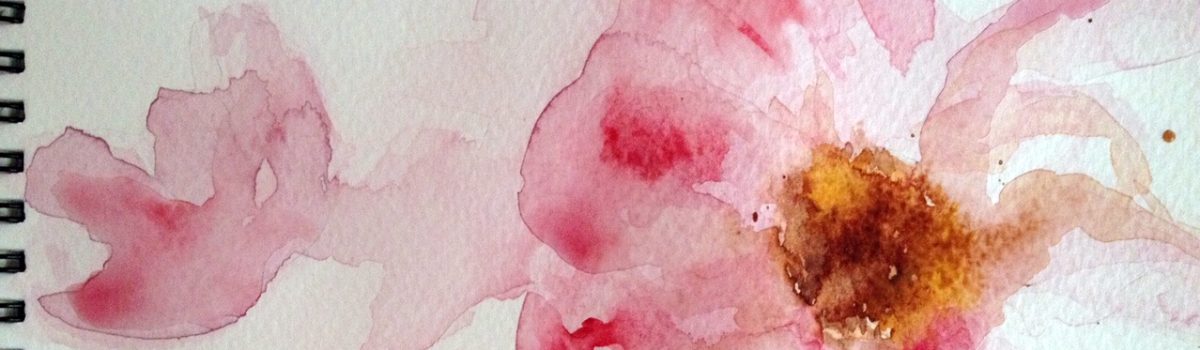
After reading this book and while soaking up all the art and culture of Paris during a vacation in June 2013, I was inspired to try my hand at water-colouring. The above “paintings” are among my more successful attempts.

Porous Edge

I collaborated with my colleagues Hilda Markey and Eamon Keane for this architectural competition for a secondary school in Tallaght. Here is an excerpt from our report:

“This project has reflected on the national school building programs of the mid 19th and early 20th century in Ireland. This architecture gave identity to place with a solution capable of repetition countrywide. In a similar vein this project proposes a framed structure/modular system, which can be modified to the context of a specific site. This framed structure enables flexibility for the internal layout, and is capable of meeting the client’s accommodation requirements with an accelerated building programme.

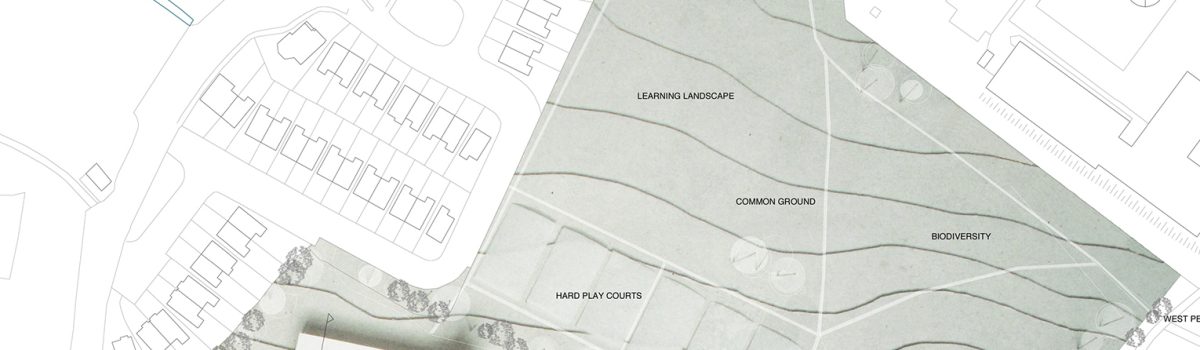
The site appears to present a common site in Ireland – a left over green space in a residential estate on the edge of a city. The proposal suggests that a built porous edge on such a site is appropriate as it allows the local community to engage with the school and its site.

The building lifts the young adults to a height beyond their low-rise neighbourhood to views of Dublin city, Tallaght town centre, the mountains and the countryside, giving them space for imagination – air – light. Vertical stratification is used to create a safe environment while freeing the ground for the local community to use. The verticality also helps with diurnal and seasonal use by the community of the lower storeys.

The formal teaching spaces have been arranged along the eastern and southern edges accessed by a perimeter corridor. The use of this deck access typology aims to maximise natural day-light and passive solar gain. All teaching spaces benefit from a solar edge while the generous circulation spaces open to views and promote break-out social and informal learning.”

Tullamore Community Arts Centre

This was an architectural competition for the Tullamore Community Arts Centre for which I collaborated with my colleague Eamon Keane. Here is an excerpt from our report:

[heading element=”h5″ remove_margins=””]Architectural Intent[/heading]

Our aim has been to fully encompass the requirements of the brief while delivering a solution that enriches the experience of both the arts and the immediate environment of the building for the local community as a whole. A desire to create a home for the imagination, a place of exploration and play that evokes memories and associations led to the idea of the house. The home is a place of retreat for the mind, it allows space to formulate, create, and develop ideas. It also receives visitors. This dual relationship of retreat and reception is manifested in our proposal, a tall house in the parkland.

[heading element=”h5″ remove_margins=””]The Tall House[/heading]

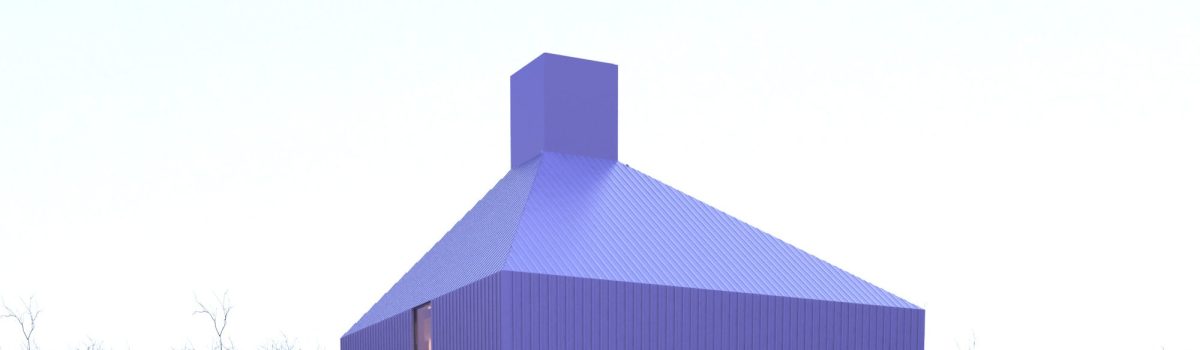
The form of the building references a typology that is common to many large Irish county towns – that of the town house – but also of the tall house of the childish imagination. Standing on the edge of both park and canal, the approach is by foot, on water or by car. An open house, between the trees, it has a symbiotic relationship with the park – both a place for play, leisure and recreation. Wrapped in natural aluminium, it generates a shifting luminescence on the exterior that changes with sunlight and shadow.

[heading element=”h5″ remove_margins=””]Urban Statement[/heading]

Our proposal seeks to contribute to and enhance the quality of the built environment in Tullamore town. In designing and placing the Arts centre on the site, consideration is given to Kilbride park as an important recreational amenity for the surrounding residents. We wish to preserve the current open space of the park and limit the new building encroaching into the parkland by reducing its footprint. Existing trees are preserved and supplemented by the planting of semi-mature native trees around the centre and in the re-designed car-parking areas. In order to reduce the footprint – it has been necessary both to excavate down for the new auditorium and to build upwards for the gallery and arts rooms. The building’s public face towards O’Connell Street and the canal is an important approach and this is reflected in the east and north elevations both in the massing, the heights and in the placement of opes. On the west elevation, the building opens out to Kilbride park allowing the café overflow in summer to spread out into the park. The new building mediates between urban and parkland, civic and recreation and this informality is expressed in its overall form and expression.